 My Account


Biofeedback: What is it and how is it applied in physiotherapy?
 18 March
 News
News
Biofeedback: What is it and how is it applied in physiotherapy?
Biofeedback has become a key tool in modern physiotherapy. Its ability to provide real-time feedback on bodily functions allows patients to take a more active role in their recovery. Butwhat exactlyis biofeedback and how is it applied in the physiotherapeutic context?
What is biofeedback?
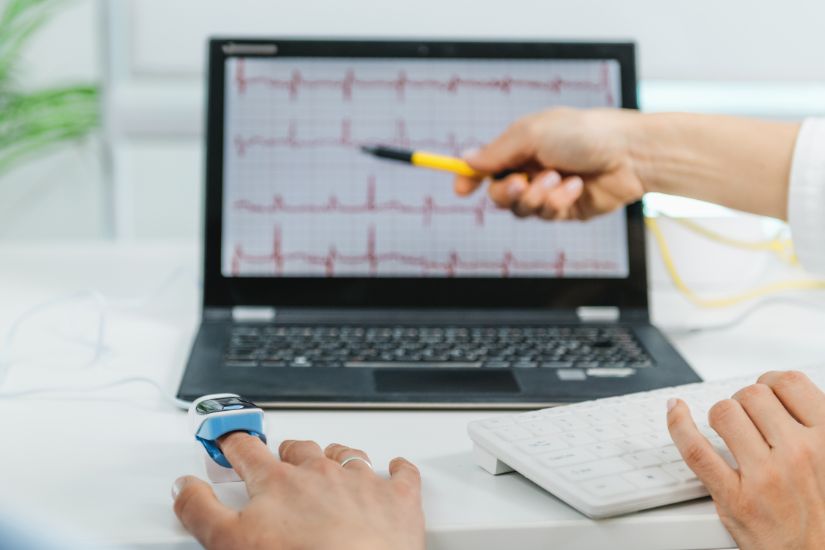
Biofeedback is a technique for measuring physiological processes in the body such as muscle activity, skin temperature, heart rate or breathing. This information, which normally goes unnoticed, is presented to the patient through visual or auditory signals so that he or she can learn to consciously regulate these functions.
The basis of biofeedback is simple: if you can see what your body is doing, you can learn to control it. That is why it is widely used to improve physical performance, reduce stress or treat chronic pain. In physiotherapy, this tool goes a step further and is integrated into personalized rehabilitation programs.
What is biofeedback in physiotherapy?
When we talk about biofeedback in physical therapy, we refer to the use of this technology to help patients regain control over certain muscle groups or body functions. For example, after an injury or surgery, the body may “forget” how to correctly activate certain muscles. Biofeedback helps to re-educate that muscle control by providing immediate guidance as to whether the patient is performing the correct movement.
In this context, to say what biofeedback is in physiotherapy implies understanding it as a motor learning tool. It does not cure by itself, but it enhances the effectiveness of treatments, improves body awareness and accelerates recovery processes.
Most commonly used biofeedback techniques
There are different biofeedback techniques, and each is adapted to different therapeutic needs. Some of the most common in physical therapy include:
- Electromyographic biofeedback (EMG): Measures the electrical activity of muscles. It is the most commonly used technique in physiotherapy.
- Thermal biofeedback: Focuses on body temperature to treat circulation problems or stress.
- Respiratory biofeedback: Helps to improve breathing patterns, useful in patients with anxiety or chronic pain.
- Heart rate biofeedback (HRV): Used to control stress and improve physical recovery.
These techniques are applied by means of sensors connected to devices that display information in real time, allowing immediate adjustments to be made to the treatment.
Muscle biofeedback: main focus in physiotherapy
Muscle biofeedback is undoubtedly the most widely used in physiotherapy. It allows to observe how the muscles are activated in real time, which is essential to re-educate the movement after an injury. It is especially useful in cases of:
- Muscle weakness
- Chronic contractures
- Postural imbalances
- Pelvic floor rehabilitation
Using electrodes placed on the skin, information about muscle contraction is collected and displayed to the patient on a screen. Thus, the patient can learn how to correctly activate a muscle, relax a tense area or maintain a proper posture.
Case studies and examples of the use of biofeedback in physiotherapy
Some of the most common uses of biofeedback in physical therapy are:
- Postoperative rehabilitation: After orthopedic surgeries, biofeedback helps to recover muscle strength and coordination.
You may be interested → Do you want to prevent and combat muscle atrophy?
- Pelvic floor treatment: Widely used to treat incontinence or sexual dysfunctions, especially with muscular biofeedback.
- Chronic pain: In patients with fibromyalgia or myofascial tension, it allows to identify and reduce involuntary contraction patterns.
- Neurological recovery: In cases of stroke or spinal cord injury, it is used to recover motor functions through guided training.
The future of biofeedback in physiotherapy
Biofeedback is transforming the way physical therapists approach functional recovery. Its ability to involve the patient in the therapeutic process makes it a valuable tool, especially when working with clear goals and professional follow-up.
As technology advances, the use of biofeedback in physical therapy will continue to grow, integrating with artificial intelligence and virtual reality systems to offer even more personalized and effective treatments.
At Ecopostural, we provide the tools for physiotherapists to effectively implement their treatments. We are manufacturers and distributors of tables for health professionals, with more than 25 years of experience accompanying clinical and therapeutic work. We know that a good base is key for a successful treatment.
Articles
Trending news on our sector. Discover!
22 September 
Rééduca Paris (france) 2026
20 May Sante Expo – Paris (france) 2026
14 May