 My Account


What is an inversion table for and how to use it correctly?
 16 September
 News
News
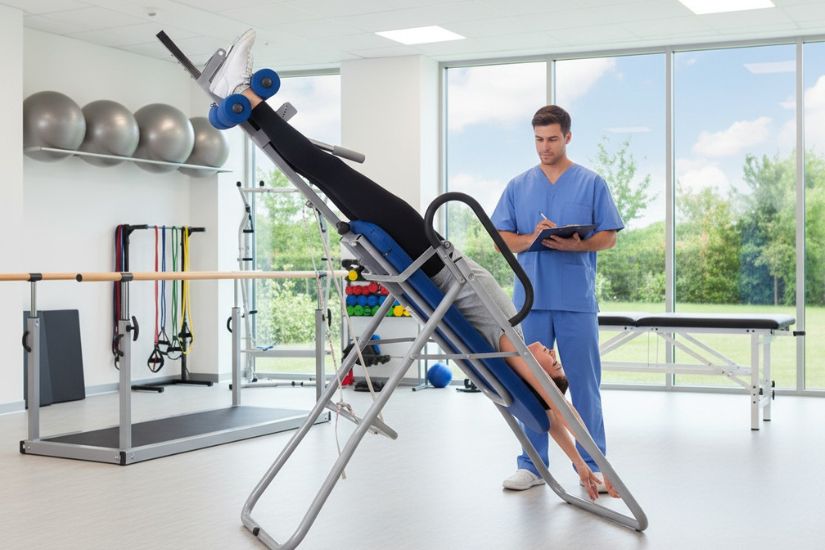
An inversion table is a device designed to place the user in an inverted position or at different degrees of inclination, with the aim of reducing pressure on the spine and promoting blood circulation. By varying the angle of inclination, a natural traction effect is achieved that helps decompress the vertebrae.
What is an inversion table for?
The main benefits of the inversion table are related to postural health, musculature and circulation:
- Decompression of the spine: reduces pressure on the intervertebral discs, helping in cases of contractures, hernias or sciatica.
- Improved circulation: promotes venous and lymphatic return.
- Relief of muscle pain: relaxes accumulated tension in the back and neck.
- Injury prevention: especially in people who practice impact sports or intense training.
- General well-being: the investment helps to reduce stress and improve the feeling of rest.
As specialists point out, its moderate use can have positive effects on vascular health and mobility.
How to use an inversion table safely
One of the most frequent doubts is how to use the inversion table correctly. These are the basic steps:
- Adjust the table to your height and body weight.
- Start with gentle slopes between 20º and 30º.
- Hold the position for only a few minutes during the first few sessions.
- Progressively increase the time and angle according to your tolerance.
- Always return slowly to the initial position to avoid dizziness.
If it is your first time, it is advisable to do it accompanied and under the supervision of a health or sports professional.
In which disciplines is the inversion table used?
The use of the inversion table is not limited to back health alone. Thanks to its benefits for posture, circulation and musculature, it has been integrated into various professional and wellness settings.
Physiotherapy and rehabilitation
In the field of physiotherapy, inversion tables are used for:
- Reduce pressure on the intervertebral discs and relieve low back pain.
- Improve mobility in people with joint stiffness or chronic contractures.
- To promote muscle stretching and relaxation in recovery processes.
- Complement manual techniques or controlled traction exercises.
They are especially useful in patients suffering from sciatica, disc protrusions or tension accumulated by sedentary postures. Their controlled use allows accelerating rehabilitation processes without the need for invasive techniques.
You may be interested in → The future of physical therapy: emerging trends.
Fitness and sport
In the field of fitness and physical preparation, the inversion table is an increasingly popular resource. Trainers include it as a tool for:
- Perform deeper and more effective stretching after the exercise routine.
- To promote muscle recovery after strength training.
- Improve flexibility and range of motion.
- Reduce the risk of injury in high-impact disciplines such as running or crossfit.
Some gyms and wellness centers combine their use with relaxation programs, massages and wellness tables, creating a holistic approach that takes care of both physical performance and overall health.
3. Medical sector
In the clinical and hospital setting, inversion tables are used to support specific therapies related to the spine and circulation. Their application can contribute to:
- Improve venous return in patients with circulatory problems.
- Facilitate recovery in cases of postural fatigue or persistent muscle tension.
- Relieve discomfort derived from scoliosis, nerve impingement or vertebral compression.
Although they do not replace a medical treatment, they are integrated as a complement to the different types of tables for the medical sector and specialized protocols.
4. Wellness and prevention
Beyond the professional sphere, many people use the inversion table as a preventive practice at home. Moderate use can help combat the effects of a sedentary lifestyle, improve posture and relieve muscle overload after long working hours. In this context, the inversion table acts as a self-care tool aimed at overall wellness.
How to choose a suitable investment table
If you are wondering how to choose an investment board, consider these aspects:
- Safety and stability: it must have a firm fastening system and resistant materials.
- Ease of use: intuitive adjustment mechanisms for different heights.
- Comfort: padded backrest and ergonomic fastenings.
- Tilt angles: preferably steplessly adjustable.
An informed decision will allow you to take full advantage of its benefits and ensure safe use.
The inversion table as a health tool supported by Ecopostural
Understanding how the inversion table works and applying it in different contexts can make a difference in your back health, muscle recovery and overall wellness. From rehabilitation in physiotherapy, to its application in fitness, to its integration in the medical sector, this resource has established itself as a versatile and effective tool. As manufacturer of health furniture, EcoposturalEcopostural is committed to quality solutions that support the work of professionals and improve the experience of patients and users.
Frequently Asked Questions
How long is it recommended to use the inversion table?
The ideal is to start with short sessions of 2 to 3 minutes on gentle inclines, and progress to a maximum of 10-15 minutes depending on each person’s tolerance.
Can anyone use an inversion table?
It is not recommended for people with hypertension, severe cardiovascular problems, glaucoma or pregnant women. It should always be consulted with a health professional before starting.
Is it better to use the inversion table before or after exercise?
It can be used at both times, but many experts recommend it after training to promote muscle relaxation and recovery.
What is the difference between an inversion table and other traction equipment?
The table allows for more progressive and natural control of the tilt angle, offering greater comfort and accessibility compared to more complex medical traction devices.
Do I need professional supervision to use it at home?
Not always, but if it is your first time or if you have any health condition, it is advisable to have a physiotherapist or doctor advise you on its correct use.
Articles
Trending news on our sector. Discover!
22 September 
Rééduca Paris (france) 2026
20 May Sante Expo – Paris (france) 2026
14 May